Ozempic & GLP-1 Drug Injuries
Last Updated: April 1, 2026
GLP-1 medications including Ozempic, Wegovy, Mounjaro, and others have been linked to serious gastrointestinal injuries and vision loss. Over 3,400 cases are pending in federal court.
GLP-1 receptor agonist medications — including Ozempic, Wegovy, Mounjaro, and Trulicity — have been linked to serious injuries including gastroparesis (stomach paralysis), bowel obstruction, pancreatitis, gallbladder disease, and NAION vision loss. Over 3,400 lawsuits are pending across two federal MDLs. Bellwether trials are expected in late 2026 or early 2027. Attorneys handle these cases on a contingency fee basis — no cost unless you receive compensation.
Which Drugs Are Included
The following GLP-1 receptor agonist medications are included in the current litigation:
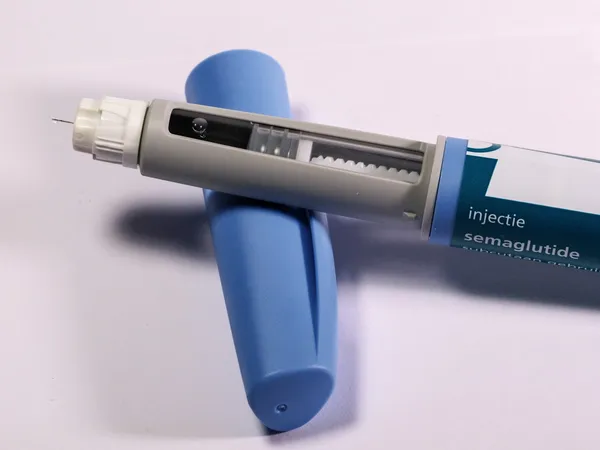
Ozempic
Semaglutide — manufactured by Novo Nordisk. Approved for type 2 diabetes.
Wegovy
Semaglutide — manufactured by Novo Nordisk. Approved for chronic weight management.
Mounjaro
Tirzepatide — manufactured by Eli Lilly. Approved for type 2 diabetes.
Saxenda
Liraglutide — manufactured by Novo Nordisk. Approved for chronic weight management.
Rybelsus
Semaglutide (oral) — manufactured by Novo Nordisk. Approved for type 2 diabetes.
Trulicity
Dulaglutide — manufactured by Eli Lilly. Approved for type 2 diabetes.
Qualifying Injuries
Two categories of injuries are currently the subject of federal litigation against GLP-1 drug manufacturers:
| Injury | Key Symptoms | Diagnosis | MDL |
|---|---|---|---|
| Gastroparesis | Severe nausea, vomiting, bloating, weight loss | Gastric emptying study (GES) | MDL 3094 |
| Bowel Obstruction | Severe cramping, distension, inability to pass stool | CT scan, X-ray | MDL 3094 |
| Pancreatitis | Severe abdominal pain, nausea, elevated lipase | Blood test (lipase/amylase), CT scan | MDL 3094 |
| Gallbladder Disease | Right-side abdominal pain, nausea, jaundice | Ultrasound, HIDA scan | MDL 3094 |
| NAION (Vision Loss) | Sudden painless vision loss, typically one eye | Ophthalmologic exam, OCT imaging | MDL 3163 |
Gastrointestinal Injuries
- Gastroparesis (stomach paralysis)
- Bowel obstruction / ileus
- Pancreatitis
- Gallbladder disease / removal
Vision Loss
- NAION (non-arteritic anterior ischemic optic neuropathy)
- Sudden vision loss or impairment
Current Litigation Status
GLP-1 injury lawsuits are currently consolidated in two separate multidistrict litigations (MDLs) in the Eastern District of Pennsylvania:
MDL 3094 — Gastrointestinal
Approximately 3,363 pending cases involving gastroparesis, bowel obstruction, pancreatitis, and other GI injuries. Cases consolidated in the Eastern District of Pennsylvania.
MDL 3163 — Vision Loss
Approximately 54 pending cases involving NAION and other vision loss injuries. Cases consolidated in the Eastern District of Pennsylvania.
Bellwether trials are expected in late 2026 or early 2027. No settlements have been reached yet — the litigation is in its early stages. The outcome of initial trials will likely shape how thousands of remaining cases are resolved.
Do You Qualify?
You may be eligible to file a GLP-1 injury claim if the following apply:
Used an FDA-Approved GLP-1 Medication
You were prescribed and used Ozempic, Wegovy, Mounjaro, Saxenda, Rybelsus, Trulicity, or another GLP-1 receptor agonist.
Diagnosed with a Qualifying Injury
You were diagnosed with gastroparesis, bowel obstruction, pancreatitis, gallbladder disease, NAION, or other serious injury after starting the medication.
Have Medical Documentation
You have medical records documenting your injury and its connection to GLP-1 medication use.
Not Already Represented
You are not currently represented by another attorney for this specific claim.
Check If You Qualify
Answer a few quick questions to find out if you may be eligible for a GLP-1 injury lawsuit.
Have you taken any of the following GLP-1 medications?
Frequently Asked Questions
Which GLP-1 medications are included in the lawsuits?
The litigation covers multiple GLP-1 receptor agonist medications including Ozempic (semaglutide), Wegovy (semaglutide), Mounjaro (tirzepatide), Saxenda (liraglutide), Rybelsus (semaglutide), and Trulicity (dulaglutide). Both brand-name and generic versions may be included.
What injuries qualify for a GLP-1 lawsuit?
Qualifying injuries fall into two main categories: gastrointestinal injuries (gastroparesis, bowel obstruction, ileus, pancreatitis, gallbladder disease or removal) and vision loss (NAION — non-arteritic anterior ischemic optic neuropathy). The injury must have occurred after starting a GLP-1 medication.
How long do I have to file a claim?
The statute of limitations varies by state and can range from one to several years from the date of injury or discovery. Because deadlines vary and new information continues to emerge, it is important to have your case evaluated as soon as possible to preserve your legal rights.
What is the current status of the Ozempic litigation?
Gastrointestinal injury cases are consolidated in MDL 3094 in the Eastern District of Pennsylvania with approximately 3,363 pending cases. Vision loss cases are in a separate MDL 3163, also in the Eastern District of Pennsylvania, with approximately 54 pending cases. Bellwether trials are expected in late 2026 or early 2027. No settlements have been reached yet.
Do I need to stop taking my medication to file a lawsuit?
Filing a lawsuit does not require you to stop taking your medication. Any decisions about your medical treatment should be made with your doctor. The lawsuit is about whether the manufacturer adequately warned about the risks, not about whether you should continue treatment.
What does it cost to file a claim?
There is no cost to you. Attorneys handling GLP-1 injury cases work on a contingency fee basis, meaning they only get paid if you receive compensation. The initial case review through NuLegal is completely free with no obligation.
Claims by Injury Type
GLP-1 medications have been linked to several serious conditions. Learn about each injury type and your legal options.
Gastroparesis
Stomach paralysis causing severe nausea, vomiting, and inability to digest food normally.
Learn moreVision Loss (NAION)
Non-arteritic anterior ischemic optic neuropathy — sudden, painless vision loss.
Learn moreBowel Obstruction
Intestinal blockage causing severe cramping, distension, and inability to pass stool.
Learn moreGallbladder Disease
Gallstones, cholecystitis, and gallbladder removal linked to GLP-1 medications.
Learn morePancreatitis
Pancreatic inflammation causing severe abdominal pain, nausea, and elevated enzymes.
Learn moreFiling Deadlines by State
Statutes of limitations vary by state. Select your state to see specific filing deadlines and legal information for GLP-1 injury claims.
Alabama
SOL: 2 years
Alaska
SOL: 2 years
Arizona
SOL: 2 years
Arkansas
SOL: 3 years
California
SOL: 2 years
Colorado
SOL: 2 years
Connecticut
SOL: 2 years
Delaware
SOL: 2 years
District of Columbia
SOL: 3 years
Florida
SOL: 2 years
Georgia
SOL: 2 years
Hawaii
SOL: 2 years
Idaho
SOL: 2 years
Illinois
SOL: 2 years
Indiana
SOL: 2 years
Iowa
SOL: 2 years
Kansas
SOL: 2 years
Kentucky
SOL: 1 year
Louisiana
SOL: 1 year
Maine
SOL: 6 years
Maryland
SOL: 3 years
Massachusetts
SOL: 3 years
Michigan
SOL: 3 years
Minnesota
SOL: 2 years
Mississippi
SOL: 3 years
Missouri
SOL: 5 years
Montana
SOL: 3 years
Nebraska
SOL: 4 years
Nevada
SOL: 2 years
New Hampshire
SOL: 3 years
New Jersey
SOL: 2 years
New Mexico
SOL: 3 years
New York
SOL: 3 years
North Carolina
SOL: 3 years
North Dakota
SOL: 6 years
Ohio
SOL: 2 years
Oklahoma
SOL: 2 years
Oregon
SOL: 2 years
Pennsylvania
SOL: 2 years
Rhode Island
SOL: 3 years
South Carolina
SOL: 3 years
South Dakota
SOL: 3 years
Tennessee
SOL: 1 year
Texas
SOL: 2 years
Utah
SOL: 4 years
Vermont
SOL: 3 years
Virginia
SOL: 2 years
Washington
SOL: 3 years
West Virginia
SOL: 2 years
Wisconsin
SOL: 3 years
Wyoming
SOL: 4 years
Don't Wait
Statutes of limitations may limit how long you have to file. Get a free, no-obligation case review today to find out if you qualify for compensation.
Free Case ReviewAdvertisement
Disclosure: NuLegal operates as a legal referral service. Attorney Ashkaan Hassan evaluates claims and refers qualified cases to specialized trial firms, earning a referral fee from the attorney's share of any recovery. Clients never pay out of pocket.